
Rodent Proofing in Carmel Valley, CA
Carmel Valley homeowners near the Los Penasquitos Canyon edge deal with one of the most persistent rodent pressure environments in the city of San Diego.
The canyon preserve forms the entire southern boundary of the Carmel Valley community and sustains a large, stable roof rat population that pushes north into residential neighborhoods year-round.
But canyon-edge proximity is not required for rodent vulnerability — Carmel Valley is a fully established community now, and roof rat populations have spread through the overhead travel network well into neighborhoods that are not adjacent to the preserve.
Attic Guard provides professional rodent proofing throughout Carmel Valley, Torrey Hills, and Pacific Highlands Ranch, with a systematic inspection approach and sealing work that addresses the full scope of structural vulnerability.
Attic Guard is a licensed contractor, California Contractor License #1138505, based in Escondido and serving all of Carmel Valley and surrounding San Diego planned communities.
3-Year Rodent Proofing Warranty
All rodent exclusion work is backed by our 3-year warranty. If any sealed area fails and leads to rodent intrusion within the warranty period, we will return and re-seal at no additional cost.

Why Carmel Valley Needs Rodent Proofing
Los Penasquitos Canyon Preserve is the defining wildlife corridor for Carmel Valley. The preserve spans nearly 4,000 acres and connects westward toward the coast, providing a continuous habitat that supports a large and stable roof rat population. The canyon boundary runs along the southern edge of Torrey Hills, and homes on the canyon-facing streets of Torrey Hills are the highest-pressure properties in the community.
The overhead travel network that roof rats use to spread from the canyon into interior neighborhoods is well-developed in Carmel Valley. The community has been built out for 30 to 40 years, meaning its tree canopy has matured fully. Fence lines connecting properties, mature pine and palm trees along streets, and decades-old oak and jacaranda trees in established gardens create a complete overhead travel system that roof rats navigate efficiently.
Pacific Highlands Ranch, though newer construction, borders open space that connects back to the canyon system. The communities built in PHR in the 2000s and 2010s initially had limited tree canopy and lower rodent pressure, but as the landscaping has matured, travel corridors have established and rodent activity has increased in PHR to levels comparable to the original Carmel Valley communities.
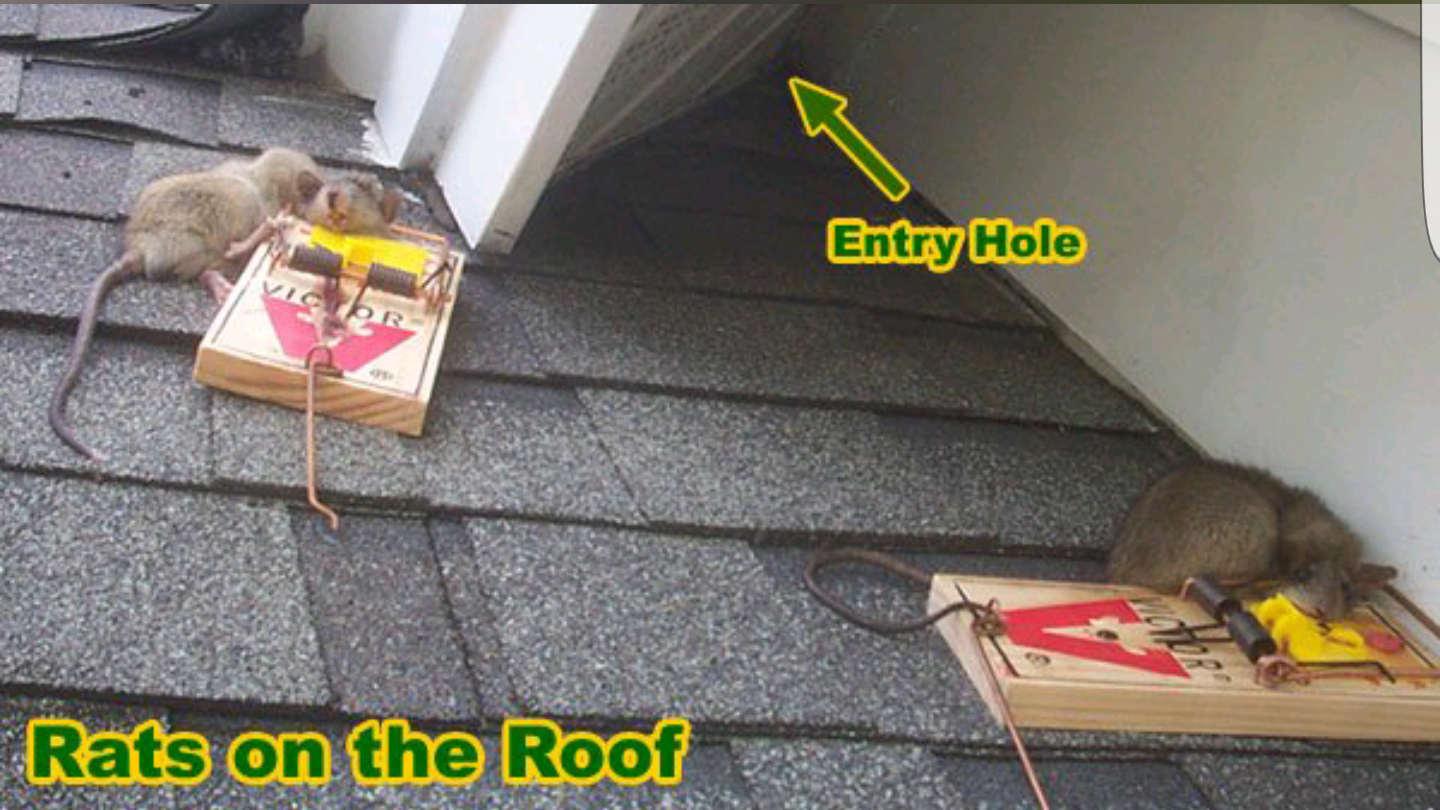
The planned community housing stock in Carmel Valley, built primarily in the 1980s and 1990s, generally has better roofline continuity than older coastal city homes, but it is not without vulnerability. Common entry points include: original plastic soffit venting that has become brittle and cracked after 30 to 40 years; gaps at roofline transitions between different roof pitches on complex rooflines; and openings around HVAC condensate lines and electrical penetrations.
What Carmel Valley Homeowners Need to Know About Rodent Proofing
Permit requirements:
Carmel Valley is part of the City of San Diego. Rodent proofing work involving modification of exterior building components may require a permit through the City of San Diego Development Services Department. Attic Guard evaluates permit requirements at the inspection.
Plastic vent covers:
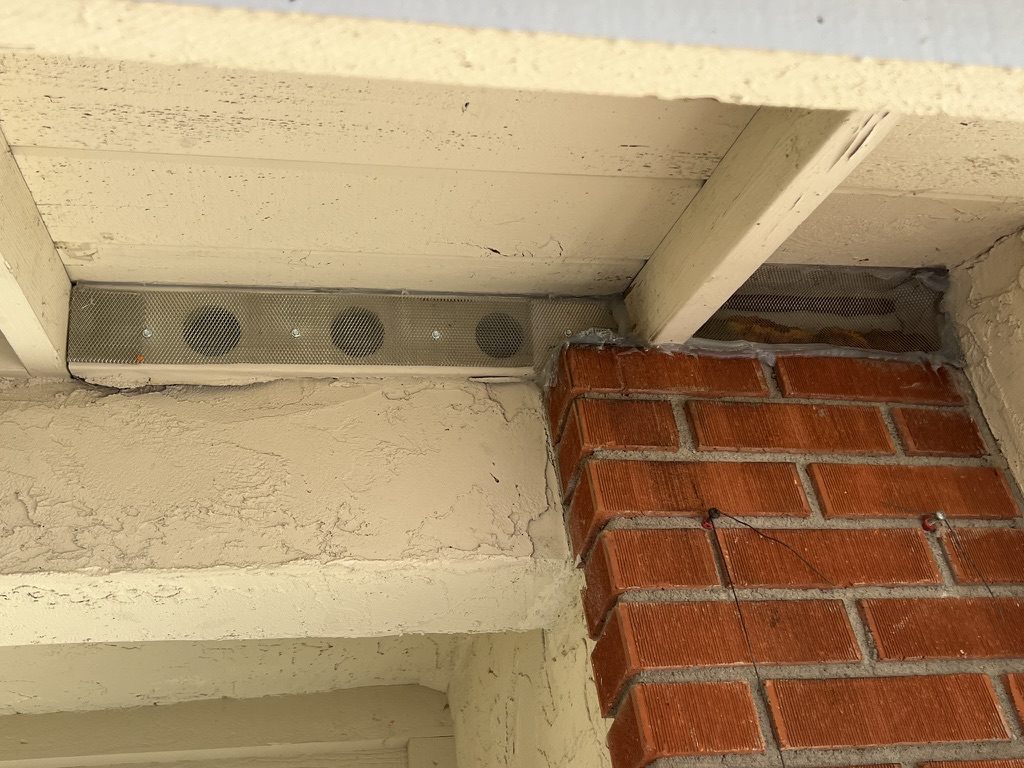
A significant issue in Carmel Valley’s 1980s and 1990s housing stock is original plastic soffit vent covers that have become brittle and cracked through UV exposure. Cracked plastic vents are entry points — rats can push through a cracked screen that would otherwise stop them. Inspection in Carmel Valley specifically looks for degraded plastic venting, and replacement with metal covers is a standard part of the proofing scope in most Carmel Valley homes.
Not pest control:
Attic Guard provides structural exclusion only. Active rodents present at the time of inspection require pest control first. Attic Guard can refer Carmel Valley homeowners to licensed pest control operators for the treatment phase.
PHR and newer construction:
Pacific Highlands Ranch and other newer Carmel Valley communities built in the 2000s have fewer original construction entry points than 1980s homes, but entry points from post-construction work — HVAC installations, solar panel conduit runs, cable and fiber installations — are common. Attic Guard’s PHR inspections specifically assess for these secondary penetrations.
What the Service Involves
Materials and Methods
What to Expect on the Day
Carmel Valley rodent proofing begins with a full exterior roofline inspection. In Torrey Hills, we pay particular attention to the canyon-facing roofline aspects, as these receive the most direct pressure from the preserve. In PHR, we focus on post-construction penetrations that are common in homes with solar, updated HVAC, or communication cable installations.
The inspection is systematic. Every soffit vent cover is assessed for material condition, every roofline penetration is checked, every fascia-to-roofing junction is evaluated for gap continuity. Plastic vent covers that show cracking or UV degradation are noted for replacement regardless of whether active entry is occurring through them, because their failure is only a matter of time.
Interior attic inspection follows the exterior. Canyon-adjacent homes in Torrey Hills often show active or prior rat activity on first inspection, including nesting material in insulation, droppings on attic surfaces, and gnaw marks on wiring or wooden members.
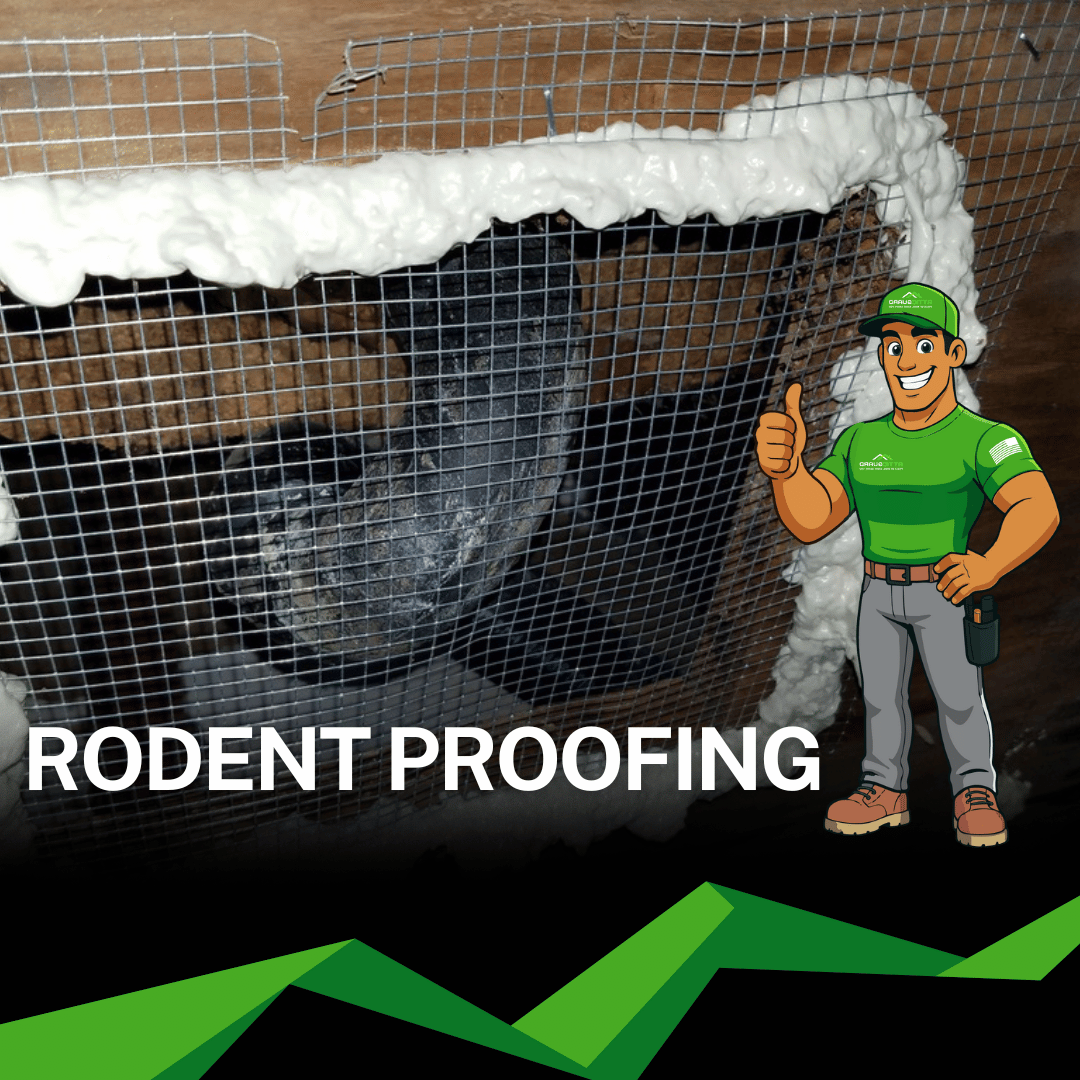
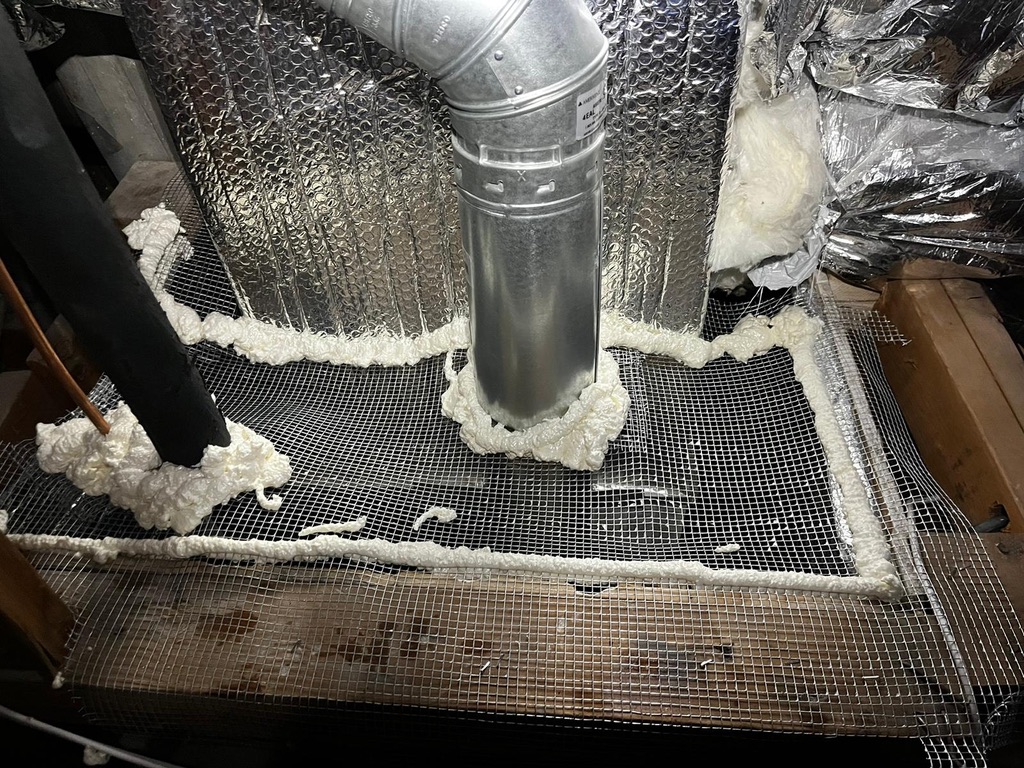
All entry points are sealed with 16-gauge galvanized steel mesh and exterior-grade sealant. Degraded plastic vent covers are replaced with powder-coated steel covers. Work is photographed and documented in a written report.
16-gauge galvanized steel hardware cloth is the standard material for Carmel Valley rodent proofing. The UV exposure of the inland-facing microclimate — warmer and more intense than coastal cities — makes galvanized steel more appropriate than aluminum at these entry point closures.
Replacement vent covers are powder-coated steel. The original plastic vent covers installed in 1980s and 1990s Carmel Valley homes have typically reached or passed end of life. Metal replacement covers do not degrade under UV and last the life of the building without becoming entry points themselves.
Sealant is exterior-grade polyurethane at roofline joints, silicone at fixed penetrations. Standard latex caulk is not used — it does not maintain its seal through the temperature cycling that Carmel Valley’s climate zone produces.
Carmel Valley rodent proofing typically completes in one day. Canyon-edge Torrey Hills homes with more extensive entry points or homes that also need crawl space work may extend to a day and a half.
Exterior work is conducted without interior disruption. The attic hatch access is the only interior point of entry. Written report with photographs is provided at the end of the day.
For homes where contaminated insulation is in scope alongside proofing, Attic Guard sequences the work so proofing is completed before insulation removal begins — this ensures no new entry is possible during the insulation remediation phase.
Rodent Proofing Gallery

Types of Rodent Proofing Options
Rodent Entry Points
Damaged Insulation
Contaminated Attics
Health Risks
Preventive Barriers
See Why People Love Us
Jennifer Y.

Charles Kakuska

Janice D.
Rosjuan
Lauren C.
Marie M.
Parham K
Mike, the inspector who came to my location, was nothing short of fantastic. She was super polite, knowledgeable, and thorough in her assessment. Mike took the time to answer all of my questions and made sure I understood the findings. Her expertise was evident, and I felt completely confident in the results she provided.
Overall, I highly recommend AtticGuard to anyone in need of their services. They truly go above and beyond, and I appreciate their commitment to excellent customer service. Thank you for a job well done!
WHY WAIT? WE OFFER FREE INSPECTIONS
Don’t delay improving your home’s comfort and efficiency. At Attic Guard, we provide free inspections to identify issues and recommend solutions. Schedule yours today and take the first step toward a healthier, more efficient home—at no cost to you!
- Energy Savings Guaranteed
- Improved Home Comfort
- Enhanced Indoor Air Quality
- Eco-Friendly Solutions
FAQ
How much pressure does Los Penasquitos Canyon actually create on Carmel Valley homes?
The canyon is a permanent, large-scale habitat that does not diminish seasonally. The pressure is consistent year-round and is not relieved by drought, development, or population management in the preserve. Homes on the canyon boundary in Torrey Hills see the most concentrated impact, but roof rats have spread throughout Carmel Valley’s tree canopy to the point that interior neighborhoods are also affected.
My home is in Pacific Highlands Ranch, not on the canyon edge. Am I still at risk?
Yes. PHR’s landscaping has matured enough that overhead travel routes now connect PHR to the broader rat population in the canyon system. Additionally, newer construction frequently has post-construction penetrations, solar conduit runs, HVAC installations, communication cable, that create entry points not present in the original construction. First-time inspections in PHR regularly find entry points from these secondary penetrations.
The soffit vents on my 1990s Carmel Valley home look original. Are they a problem?
Very likely yes. Original plastic soffit vent covers installed in the late 1980s and 1990s in Carmel Valley have typically experienced 30 to 35 years of UV exposure and are commonly cracked or brittle enough to be pushed through by a rodent. Attic Guard’s inspection documents the condition of every vent cover on the home, and replacement with metal covers is typically part of the proofing scope.
Do I need proofing even if I haven't heard anything in the attic?
Yes. Roof rats can be present in an attic without producing sounds that are obvious from below — particularly in larger attic spaces with good insulation depth. Absence of audible activity is not confirmation of absence of intrusion. The inspection is the only reliable way to assess the current state.
Does Attic Guard handle both proofing and insulation in the same project?
Yes. For canyon-adjacent Torrey Hills homes where contaminated insulation and entry point vulnerability often coexist, addressing both in a single project is the most efficient approach. Proofing is sequenced first, then insulation remediation.
What is covered under the three-year warranty?
The warranty covers all closures performed during the project — material and workmanship. New entry points created after the project by subsequent roofline work are not covered under the original warranty but can be addressed as a new scope. Attic Guard recommends periodic re-inspection for Torrey Hills and canyon-adjacent properties every two years.

Why Choose Us?
Southern California's Trusted Attic Specialists
End-to-End Solutions for a Healthy, Comfortable Home
Is your home feeling drafty or lacking in energy efficiency? It might be time to consider upgrading your attic insulation. But before you can install new insulation, you need to remove the old, inefficient layers. That’s where we come in. At Attic Guard, we specialize in professional attic cleaning services. Our experienced team will safely and efficiently clean your attic, preparing it for a fresh start and improved energy efficiency.
Safety First:
Our team follows strict safety protocols to ensure a safe and secure cleaning process, protecting both your home and our workers.
Efficiency:
We use specialized equipment and techniques to streamline the attic cleaning process, minimizing disruption to your home and maximizing efficiency.
Thoroughness:
We leave no corner untouched, ensuring that all dirt, debris, and old insulation remnants are completely removed to make way for a cleaner, more efficient attic.
Expertise:
With years of experience in attic cleaning, we have the knowledge and skills to tackle even the toughest jobs with confidence.
Services We Can Help You With
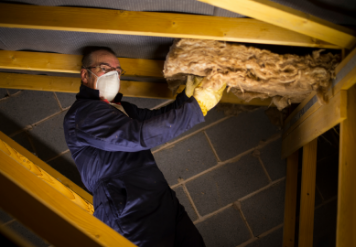
Attic Services
We offer a comprehensive array of attic services that ensure a clean, safe, and well-functioning space above your head. We handle everything, from cleanup to repairs.
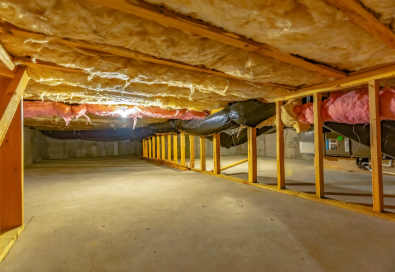
Crawl Space Services
We offer custom solutions for every unique issue in Southern California, such as the warm climate which impacts the potential for pest intrusion and moisture.
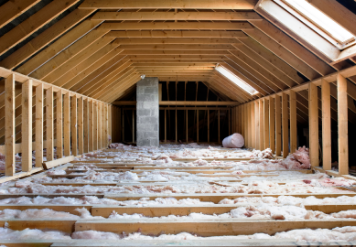
Insulation Solutions
Our range of insulation services combat moisture, regulate temperature throughout the house, and improve air quality from the ground up.
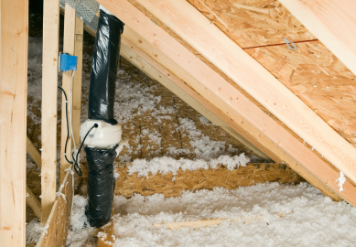
Rodent Proofing
Rodent infestations bring frustration, damage, and health hazards to your home. Our Rodent Proofing services eliminate existing rodent problems and prevent future invasions.