
Rodent Proofing in Rancho Santa Fe, CA
Rancho Santa Fe is one of the most consistently active communities for rodent and wildlife intrusion that Attic Guard works in across San Diego County.
The large lots, mature eucalyptus and oak canopy, canyon-adjacent open space, and semi-rural character that make RSF desirable also create near-ideal conditions for roof rats and squirrels to establish in attics.
Homes in The Covenant, Cielo, Del Rayo Estates, and surrounding communities see wildlife pressure from multiple directions simultaneously, not a corridor from one nature preserve, but distributed pressure from the open land and vegetation throughout the community itself.
Attic Guard provides professional rodent proofing for RSF homes, with the inspection depth and workmanship that complex custom properties require.
Attic Guard is a licensed contractor, California Contractor License #1138505, based in Escondido and serving all of Rancho Santa Fe.
3-Year Rodent Proofing Warranty
All rodent exclusion work is backed by our 3-year warranty. If any sealed area fails and leads to rodent intrusion within the warranty period, we will return and re-seal at no additional cost.

Why Rancho Santa fe Needs Rodent Proofing
The wildlife environment in Rancho Santa Fe is in a different category from coastal North County cities. The Osuna Creek and Escondido Creek corridors run through and near the RSF community and provide established movement routes for rodents from the open land into residential properties. The eucalyptus groves that give RSF its distinctive character create continuous overhead canopy across large portions of the community, a travel highway for roof rats that requires no ground-level movement at all.
Squirrels are a primary concern in Rancho Santa Fe in a way that they are not in most coastal cities. The mature coast live oaks throughout The Covenant and adjacent areas sustain California ground squirrel and Western gray squirrel populations that compete with roof rats for attic access. Squirrels create different entry points than rats. They are stronger, chew through larger openings, and are more likely to breach roofing materials and vented soffits from force rather than finding existing gaps.
Custom home construction in RSF, particularly from the 1970s and 1980s, frequently includes architectural features that create structural vulnerabilities: clay tile roofing with gaps at the ridge and hip joints, exposed wood beam details at roofline intersections, and custom vent configurations that were not designed with wildlife exclusion in mind. These features require specific inspection attention.
The larger lot sizes in RSF mean that homes are more isolated from each other and less likely to have had a systematic inspection at any point in the past. Attic Guard finds some of the most extensive prior rodent activity on first-time inspections in RSF — homes that have been occupied for decades without anyone having accessed the attic space to assess it.
What Rancho Santa Fe Homeowners Need to Know About Rodent Proofing
Permit requirements:
Rancho Santa Fe is unincorporated — permits are through San Diego County Department of Planning and Development Services. Rodent proofing work involving repair or modification of exterior building components may require a permit. Attic Guard evaluates this during the inspection.
Squirrel versus rat proofing:
RSF properties require a different inspection checklist than coastal city properties because squirrel activity is common alongside roof rat activity. Squirrels create larger entry points, are more destructive to roofing materials, and require heavier mesh gauge in closures. Attic Guard’s RSF inspections specifically assess for both species’ activity signatures.
Clay tile roofing:
A significant portion of RSF custom homes have clay tile roofing. Tile roofs have specific vulnerability points at ridge tiles, hip joints, and the junction between the tile and the fascia that are not present in composition shingle roofing. Attic Guard is experienced in working with tile rooflines and knows where to look and how to seal these openings without disturbing tile installation.
Warranty scope in RSF:
Attic Guard’s three-year warranty covers all closures performed. Given the scale of most RSF properties and the ongoing wildlife pressure from the open land environment, we recommend an annual roofline check for RSF properties — a low-cost inspection to identify any new entry points before they become established intrusion routes.
What the Service Involves
Materials and Methods
What to Expect on the Day
RSF rodent proofing inspections are allocated more time than inspections in smaller coastal city homes because of the property scale and the complexity of the rooflines. The exterior inspection on a typical RSF custom home covers more linear feet of roofline and more individual vent and penetration points than an average Carlsbad or Solana Beach home of similar age.
For clay tile roofing, the inspection includes examination of the ridge line, all hip junctions, the tile-to-fascia interface, and any point where plumbing or electrical penetrations pass through the tile field. These are the locations where tile roofing differs most significantly from composition shingle in terms of entry point vulnerability.
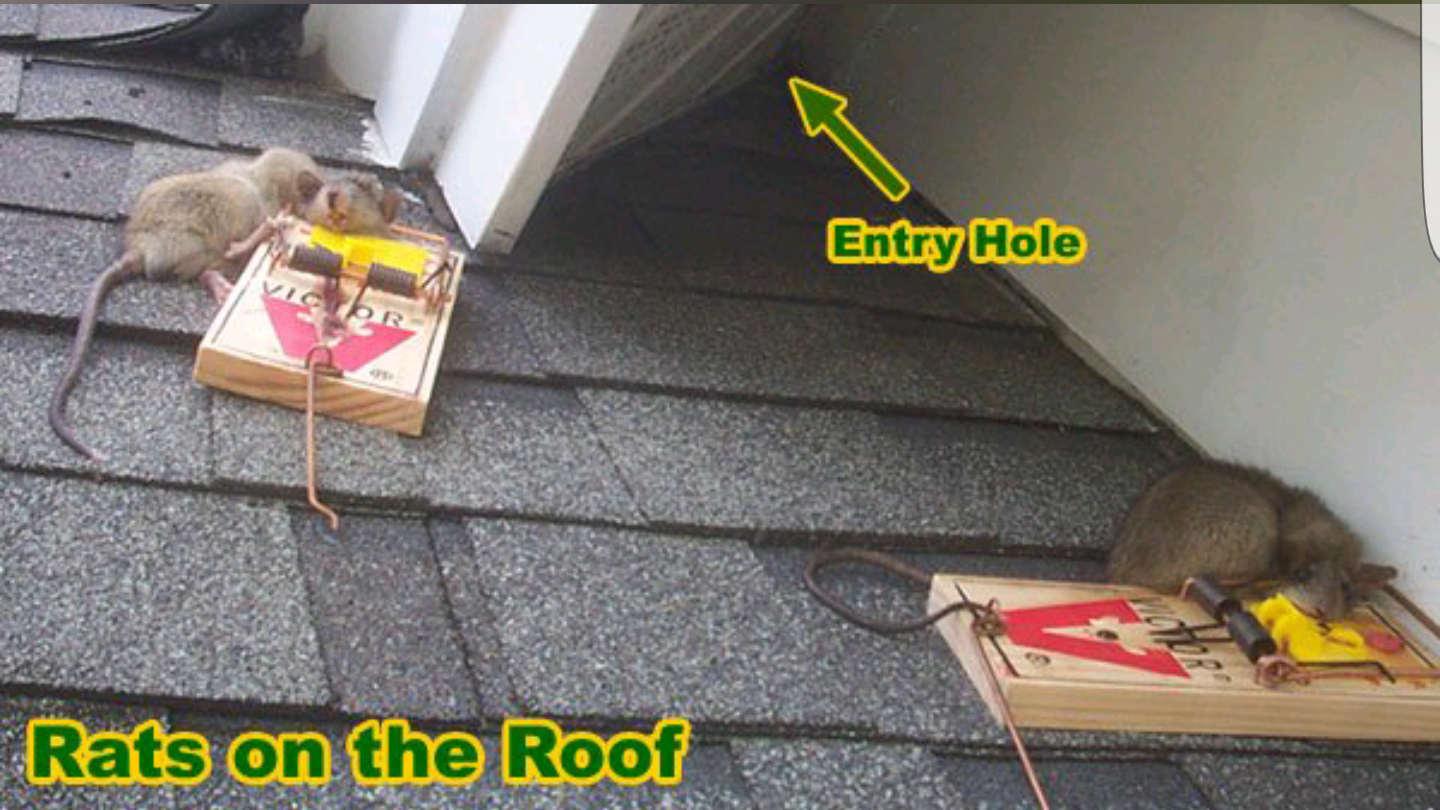
We inspect for both rat and squirrel entry point signatures. Rat entry points are typically smaller — half an inch to an inch — at existing gaps in original construction. Squirrel entry points are often larger and show chewing or force-removal of vent screens, edge flashing, or roofing material at eave overhangs.
Interior attic inspection follows. RSF attics with history of activity often show significant contamination — not just droppings but nesting structures built into the insulation, gnaw damage to wiring and structural wood, and in some cases long-term activity that has compressed entire sections of insulation to near zero effective R-value.
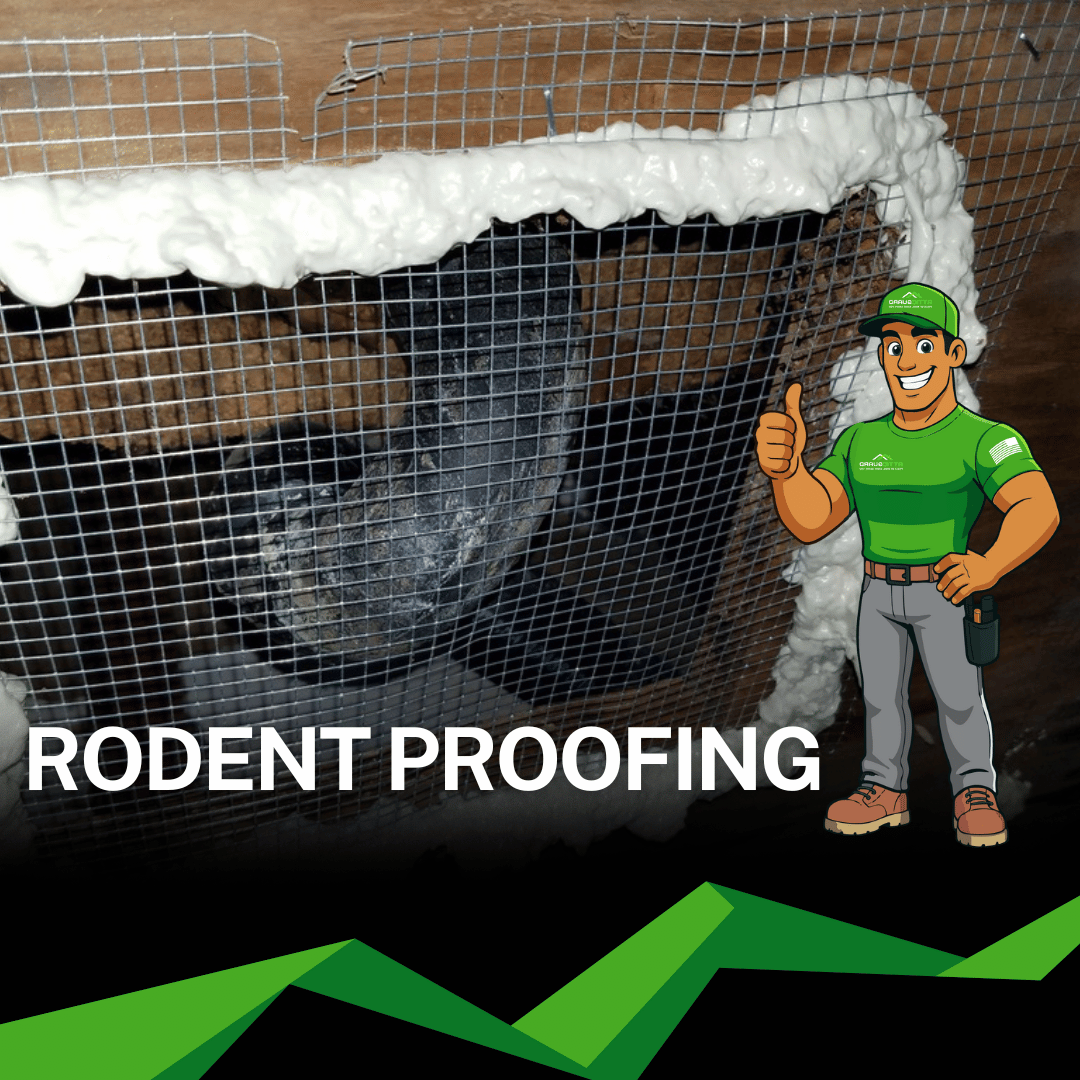
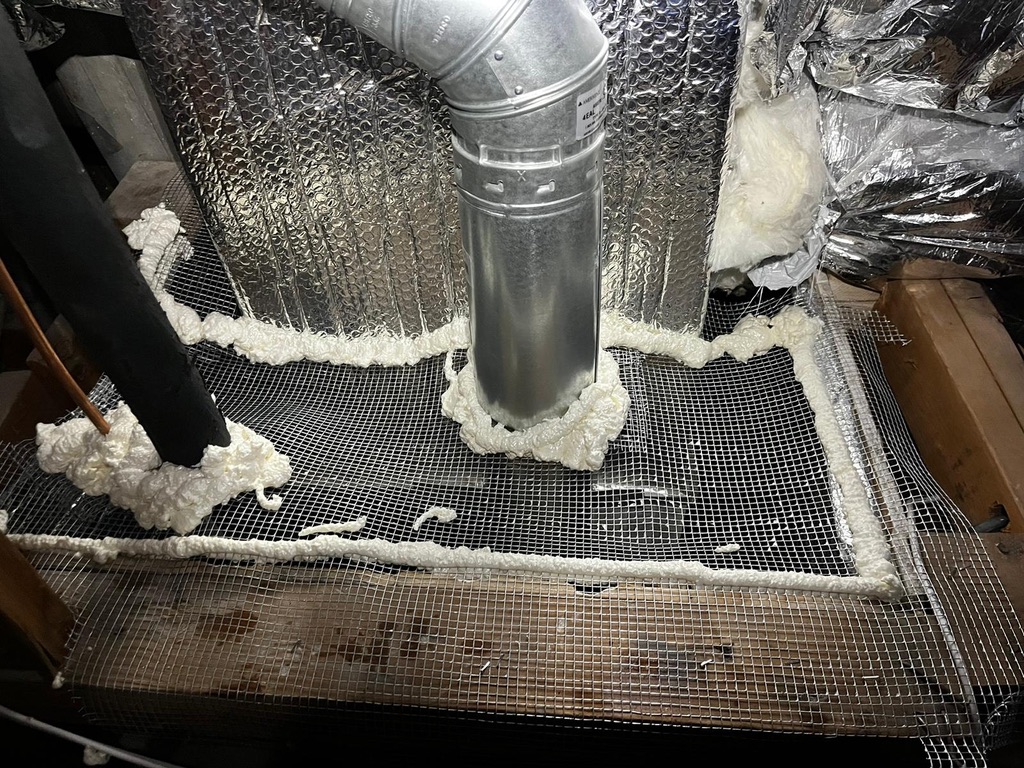
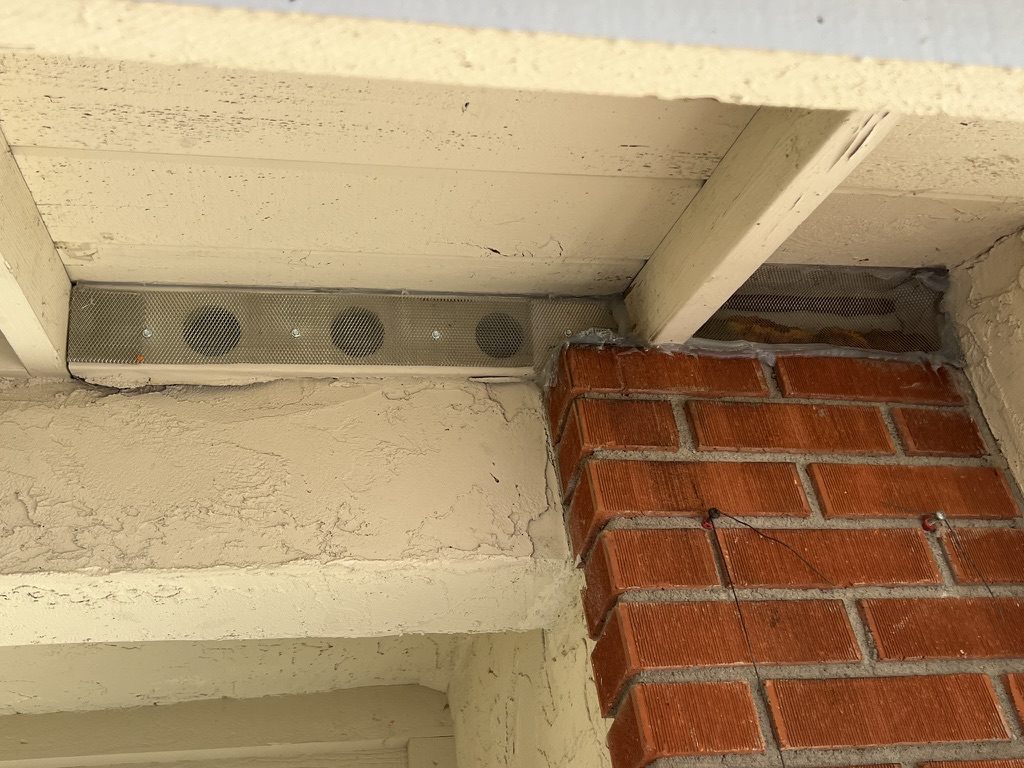
All entry points are sealed with heavy-gauge steel mesh and exterior-grade sealant. Clay tile installations receive specific treatment at ridge and hip points — we use custom-formed galvanized steel mesh inserts at these locations that conform to the tile profile without disturbing the tile installation.
RSF proofing uses 14-gauge galvanized steel hardware cloth as the standard material, up-gauged from the 16-gauge used in purely roof rat applications. The squirrel activity in RSF means that lighter mesh at primary entry points is not adequate — squirrels can force or chew through 16-gauge mesh at sustained pressure.
At clay tile ridge and hip joints, we fabricate custom galvanized steel closures that fit the tile profile. These are not available as stock items — they are made for each installation based on the specific tile profile on each home.
Sealants are exterior-grade polyurethane at roofline joints and silicone at fixed penetrations. All closures are designed to outlast the three-year warranty period under the UV and temperature cycling conditions of the RSF inland valley environment.
RSF proofing projects run one to two days depending on home size and the extent of work found during inspection. Large custom homes with complex rooflines, clay tile, and multiple entry points should be planned as a two-day project. Time estimates are provided with the project scope.
For properties where contaminated insulation is being removed and replaced alongside the proofing work, the full project may extend to three days. Proofing, removal, sanitization, and reinstallation are sequenced within the project and do not require the homeowner to coordinate separate contractors.
A detailed written report with photographs is provided at project completion. RSF reports typically document more individual closures than coastal city reports given the scale and complexity of the properties.
Rodent Proofing Gallery

Types of Rodent Proofing Options
Rodent Entry Points
Damaged Insulation
Contaminated Attics
Health Risks
Preventive Barriers
See Why People Love Us
Jennifer Y.

Charles Kakuska

Janice D.
Rosjuan
Lauren C.
Marie M.
Parham K
Mike, the inspector who came to my location, was nothing short of fantastic. She was super polite, knowledgeable, and thorough in her assessment. Mike took the time to answer all of my questions and made sure I understood the findings. Her expertise was evident, and I felt completely confident in the results she provided.
Overall, I highly recommend AtticGuard to anyone in need of their services. They truly go above and beyond, and I appreciate their commitment to excellent customer service. Thank you for a job well done!
WHY WAIT? WE OFFER FREE INSPECTIONS
Don’t delay improving your home’s comfort and efficiency. At Attic Guard, we provide free inspections to identify issues and recommend solutions. Schedule yours today and take the first step toward a healthier, more efficient home—at no cost to you!
- Energy Savings Guaranteed
- Improved Home Comfort
- Enhanced Indoor Air Quality
- Eco-Friendly Solutions
FAQ
Rancho Santa Fe has squirrels as well as rats. How do you proof against both?
The inspection assesses for both species’ entry point signatures. Squirrel closures use heavier mesh (14-gauge versus 16-gauge for rats) because squirrels can force or chew through lighter material. The clay tile ridge and hip joints that squirrels favor get custom-formed steel inserts that conform to the tile profile. All closures are the same fundamental approach — steel mesh with sealant — but material selection is matched to the animal creating the pressure.
My home has clay tile roofing. Is that harder to proof?
It requires more specific knowledge and attention than composition shingle but is not more difficult for an experienced contractor. The specific vulnerability points on tile roofing — ridge tiles, hip junctions, tile-to-fascia interfaces — are different from the primary entry points on shingle roofing. Attic Guard works regularly on RSF tile rooflines and uses custom-formed steel closures at ridge and hip points that fit the tile profile without requiring tile removal or disturbance.
My attic has contaminated insulation from rodents. Can I just proof the entry points and leave the insulation?
No. Contaminated insulation is a health hazard — rodent waste in insulation carries hantavirus risk and creates ongoing air quality issues for the living space. Proofing without removing contaminated insulation addresses the entry point but not the ongoing exposure. The correct sequence is proof the entry points, remove contaminated insulation, sanitize the attic space, and install new insulation. Attic Guard handles all phases.
The previous owners never had the attic inspected as far as I know. What should I expect to find?
On first-time inspections of RSF homes with unknown history, Attic Guard commonly finds multiple entry points, some degree of prior wildlife activity, and insulation in various states of disturbance. The extent varies enormously — from minor historic activity fully resolved to significant ongoing intrusion. The inspection gives you a complete picture before any work is committed to.
Is there a permit required for rodent proofing in RSF?
Rancho Santa Fe is under San Diego County jurisdiction. Whether a permit is required depends on the scope of exterior work involved. Attic Guard evaluates this during the inspection and manages the county permit process where required.
Does Attic Guard recommend annual inspections for RSF properties?
Yes. Given the persistent wildlife pressure from the open land environment and the scale of RSF properties, we recommend an annual roofline check for RSF homes. This is a low-cost inspection — not a full proofing project — that identifies any new entry points before they become established. It is particularly valuable for homes that back to canyon open space or have large oak or eucalyptus trees on the property.

Why Choose Us?
Southern California's Trusted Attic Specialists
End-to-End Solutions for a Healthy, Comfortable Home
Is your home feeling drafty or lacking in energy efficiency? It might be time to consider upgrading your attic insulation. But before you can install new insulation, you need to remove the old, inefficient layers. That’s where we come in. At Attic Guard, we specialize in professional attic cleaning services. Our experienced team will safely and efficiently clean your attic, preparing it for a fresh start and improved energy efficiency.
Safety First:
Our team follows strict safety protocols to ensure a safe and secure cleaning process, protecting both your home and our workers.
Efficiency:
We use specialized equipment and techniques to streamline the attic cleaning process, minimizing disruption to your home and maximizing efficiency.
Thoroughness:
We leave no corner untouched, ensuring that all dirt, debris, and old insulation remnants are completely removed to make way for a cleaner, more efficient attic.
Expertise:
With years of experience in attic cleaning, we have the knowledge and skills to tackle even the toughest jobs with confidence.
Services We Can Help You With
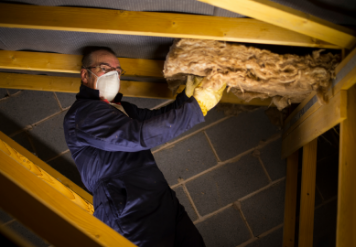
Attic Services
We offer a comprehensive array of attic services that ensure a clean, safe, and well-functioning space above your head. We handle everything, from cleanup to repairs.
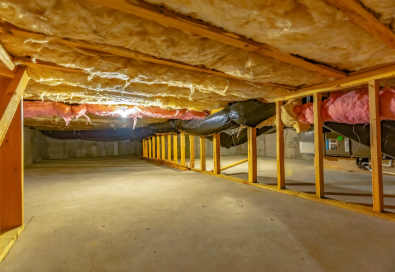
Crawl Space Services
We offer custom solutions for every unique issue in Southern California, such as the warm climate which impacts the potential for pest intrusion and moisture.
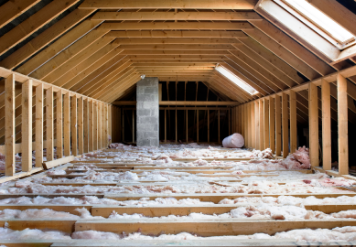
Insulation Solutions
Our range of insulation services combat moisture, regulate temperature throughout the house, and improve air quality from the ground up.
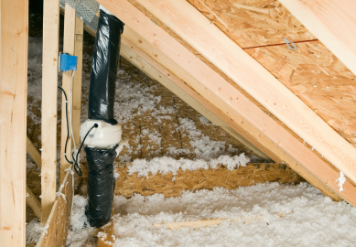
Rodent Proofing
Rodent infestations bring frustration, damage, and health hazards to your home. Our Rodent Proofing services eliminate existing rodent problems and prevent future invasions.